No Censorship · No Limits · No BS
One Platform. Three Ways to Win.
Learn what mainstream platforms won't show. Teach and keep 95% of every dollar. Refer once and earn on every credit spent — forever.
Join Free TodayExpert-led courses on sex ed, wellness & adult health that mainstream platforms refuse to host. Real experts, zero censorship.
- ✓Unlimited access on any device
- ✓Live sessions with real experts
- ✓100% discreet billing
- ✓Content you can't find anywhere else
Teach what you know without algorithms, takedowns, or revenue theft. The highest payout in adult education — full stop.
- ✓Keep 95% of every dollar earned
- ✓Zero censorship or deplatforming
- ✓Mobile-friendly creator dashboard
- ✓Real-time analytics & fast payouts
Share your link once. Every time someone you referred spends credits — now or years later — you earn. No cap. No expiry.
- ✓Lifetime commissions on all credit spend
- ✓Real-time transparent earnings dashboard
- ✓Earn from members & instructors both
- ✓One link — passive income, forever
Cultural Sensitivity in Intimacy Education
Embracing Diversity in Intimacy Education
In today’s diverse world, intimacy education must prioritize cultural sensitivity. By acknowledging and respecting cultural beliefs, traditions, and values surrounding intimacy, educators empower learners to make informed choices aligned with their backgrounds. This article gathers expert perspectives and candid conversations to highlight best practices for culturally sensitive intimacy education, illustrating both its challenges and opportunities. According to a study by the Journal of Sex Research, culturally responsive programs see a 30% increase in learner engagement [1].
The Importance of Cultural Sensitivity
Cultural sensitivity means being aware of and respecting the diverse beliefs, customs, and values of various cultural groups. In the context of intimacy education, this involves recognizing that attitudes toward relationships, consent, gender roles, sexual orientation, and reproductive health vary greatly. Without this awareness, standard curricula may seem irrelevant or even offensive to learners from different backgrounds. Dr. Anita Rios, a specialist in cross-cultural education, emphasizes, “Ignoring cultural norms can lead to learner disengagement and mistrust.”
Overcoming Common Cultural Barriers
Language and Communication Styles
In many cultures, discussing sex and intimacy directly can be considered taboo, often leading to reliance on euphemisms. It’s important for educators to understand culturally appropriate vocabulary to ensure learners feel respected.
Religious and Moral Beliefs
Religious beliefs greatly influence views on topics like premarital sex, contraception, and gender roles. Educators should present information neutrally, respecting moral convictions while encouraging critical thinking.
Gender Roles and Power Dynamics
Cultural norms regarding gender roles can shape perceptions of intimacy education. Some cultures emphasize male authority, while others prioritize female modesty. Programs should promote equity and autonomy for all learners.
Expert Voices on Culturally Sensitive Approaches
For deeper insights, leading voices in the field offer advice:
Dr. Michael Osei, a Public Health Educator, advises beginning with a cultural audit of your audience. This involves engaging community leaders, parents, and learners to understand local attitudes.
Dr. Farah Khan, a Family Therapist, suggests providing a menu of options in your curriculum. This approach respects learners’ decision-making processes without imposing a single perspective.
Yvette Chen, a Queer Community Advocate, stresses the importance of creating safe spaces for LGBTQ learners, especially in conservative communities. Techniques such as anonymous question boxes and partnerships with local groups support cultural sensitivity.
Real-World Experiences and Learning
While theoretical understanding is vital, real-world conversations offer unique insights. Educators who facilitate respectful dialogues enable learners to share personal experiences and learn from one another.
Case Study 1: A Rural Community Workshop
In a rural area where discussing sex was taboo, facilitators started sessions with a cultural ritual chosen by local elders, fostering mutual respect. Participants discussed intimacy topics in gender-segregated groups before sharing broader insights, resulting in higher attendance and candid conversations.
Case Study 2: An Urban High School Initiative
An urban district with a large immigrant student population launched a mentorship program. Students were paired with young adult volunteers from similar cultural backgrounds, creating a safe environment to discuss dating, consent, and health. Mentors received training in cultural norms and effective facilitation skills.
Strategies for Educators
1. **Community Engagement**: Involve parents, faith leaders, and community stakeholders early in developing the curriculum to prevent misunderstandings and foster buy-in.
2. **Culturally Adapted Materials**: Use images, stories, and examples relevant to the learners’ cultural contexts, ensuring translations capture the nuances of expressions.
3. **Flexible Pedagogy**: Offer various engagement pathways, such as small groups or anonymous forums, allowing learners to choose what feels safest.
4. **Continuous Feedback**: Gather feedback through surveys or focus groups, ready to adjust content or delivery methods based on learner input.
5. **Professional Development**: Provide ongoing training in cultural humility, anti-bias practices, and trauma-informed approaches, equipping educators to address difficult questions compassionately.
Challenges and Ethical Considerations
Educators must remain vigilant about power dynamics, especially when they are from outside the culture they are teaching. Balancing accuracy with respect for culturally accepted practices can be challenging, and ensuring confidentiality is paramount in stigmatized communities.
Conclusion: Respect and Inclusivity
Cultural sensitivity is essential, not optional, in effective intimacy education. By incorporating expert voices, engaging in open dialogues, and using community-driven strategies, educators can create inclusive programs that resonate with diverse learners. When educators respect cultural values in curriculum design and delivery, learners can make informed, healthy decisions that honor both their personal and cultural identities. Ongoing collaboration among experts, community leaders, educators, and learners will shape the future of intimacy education.
References
1. Journal of Sex Research Study (https://www.journalofsexresearch.org)
For more on culturally sensitive education, you may visit edrugstore.com (https://www.edrugstore.com).
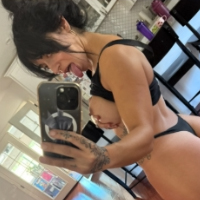
Top Creator • Performance Coach • Confidence Educator
Amber K is one of AdultClub’s most in-demand instructors, known for her confident teaching style, real-world experience, and no-filter approach to education. With years of experience working directly with individuals and audiences across digital platforms, Amber has built a reputation for delivering practical, results-driven guidance that goes far beyond surface-level advice.