No Censorship · No Limits · No BS
One Platform. Three Ways to Win.
Learn what mainstream platforms won't show. Teach and keep 95% of every dollar. Refer once and earn on every credit spent — forever.
Join Free TodayExpert-led courses on sex ed, wellness & adult health that mainstream platforms refuse to host. Real experts, zero censorship.
- ✓Unlimited access on any device
- ✓Live sessions with real experts
- ✓100% discreet billing
- ✓Content you can't find anywhere else
Teach what you know without algorithms, takedowns, or revenue theft. The highest payout in adult education — full stop.
- ✓Keep 95% of every dollar earned
- ✓Zero censorship or deplatforming
- ✓Mobile-friendly creator dashboard
- ✓Real-time analytics & fast payouts
Share your link once. Every time someone you referred spends credits — now or years later — you earn. No cap. No expiry.
- ✓Lifetime commissions on all credit spend
- ✓Real-time transparent earnings dashboard
- ✓Earn from members & instructors both
- ✓One link — passive income, forever
Masterclass Confidential: Navigating the World of Unfiltered Wellness Education
The Rise and Appeal of Unfiltered Learning
In the rapidly growing $4 trillion industry of adult wellness education, a novel trend eschews polished presentations in favor of raw, unfiltered dialogue. These masterclasses offer candid insights, real-world case studies, and honest perspectives on subjects like nutrition, mental health, intimacy, and self-care. As pointed out by Dr. Jane Andrews, a wellness psychologist, unfiltered education empowers participants but requires discernment to ensure credibility and ethical practice. This article explores how to navigate the realm of unfiltered education in adult wellness spaces, maximizing the benefits of these honest learning experiences.
Understanding Unfiltered Learning in Adult Wellness
Traditional wellness courses typically use sleek production and standardized content. In contrast, unfiltered masterclasses value authenticity and spontaneity. Instructors share personal stories, conduct live demonstrations, and address participant questions in real-time, catering to a growing desire for practical advice and genuine dialogue. A study from the Journal of Wellness Education reveals that 68% of learners feel more connected to instructors in informal settings. However, this laid-back approach may introduce ambiguity about scope and best practices.
The Appeal of Unfiltered Wellness Education
Adults are drawn to unfiltered wellness education by the promise of unvarnished truth. Participants are eager for honest discussions about issues such as anxiety, body image, relationships, and chronic health challenges. Instead of abstract theories, they seek hard data on what has truly been effective for the instructor. For example, during a wellness session, an instructor shared how mindful eating helped reduce their anxiety, resonating with many participants. This format feels more like a supportive conversation among peers than a lecture, fostering a sense of community and shared purpose. According to the American Psychological Association, sharing lived experiences in educational settings can enhance relatability and trust among learners.
Striking a Balance: Transparency and Professionalism
While transparency is beneficial, maintaining a professional framework is crucial. Oversharing personal anecdotes can blur boundaries between mentorship and therapy. Dr. Mark Lee, an educational ethics expert, warns that without proper boundaries, the line between education and therapy can blur. Instructors without formal credentials may inadvertently overreach their expertise. It is vital for unfiltered educators to outline their qualifications, clarify the scope of their advice, and encourage participants to seek additional professional guidance as needed. For example, a wellness coach discussing mental health should advise participants to consult accredited professionals for specific conditions.
Establishing Boundaries for Quality and Safety
When education shifts from theory to lived experience, safety and ethical considerations become paramount. Masterclasses addressing physical activities like yoga or breathwork need to include instructions on modifications and contraindications. Content should include protocols for handling disclosures of crises such as self-harm or abuse. By setting boundaries upfront and offering resources for further help, educators can create a safe environment even when navigating personal topics. For additional resources on mental health, consider consulting professionals on platforms like edrugstore.com.
Practical Tips for Navigating Unfiltered Wellness Education
1. **Investigate Instructor Credentials**
Research the facilitator’s background. Look for relevant certifications, professional affiliations, and client testimonials. Dr. Sarah Burns, a reputable wellness educator, highlights the importance of evaluating an instructor’s background to ensure the quality of education.
2. **Review Course Details**
Carefully examine course descriptions and disclaimers. Understand what the class covers and what falls outside the instructor’s expertise. Check for refund policies and codes of conduct, which can vary widely.
3. **Choose a Well-Rounded Curriculum**
Opt for masterclasses that blend personal stories with evidence-based information. Workshops citing scientific studies, clinical guidelines, or peer-reviewed research help ground anecdotal advice in reliable data.
4. **Engage with a Critical Mind**
Stay open but discerning. Treat unfiltered insights as starting points rather than absolute truths. Cross-reference recommendations with reputable sources or consult professionals if you have health concerns.
5. **Respect Your Boundaries**
Set personal limits on how much you disclose and how deeply you engage with emotionally charged material. It is okay to step back if a discussion feels overwhelming or misaligned with your needs.
6. **Build a Responsible Community**
Connect with classmates through private forums or social media groups. Promote respectful dialogue, diverse viewpoints, and constructive feedback. A well-moderated community can enhance the learning experience without devolving into rumor or gossip.
In conclusion, unfiltered masterclasses in adult wellness spaces offer an exciting alternative to the polished, one-size-fits-all approach of traditional education. They provide direct access to instructors’ lived experiences, foster authentic connections, and inspire transformative change. However, this freedom entails responsibility. Educators and learners must carefully navigate issues of credibility, safety, and ethical boundaries. By assessing instructors, clarifying the scope of advice, and engaging critically, you can harness the power of unfiltered wellness education without compromising professionalism or well-being. This opens the door to a more genuine, impactful, and satisfying learning journey.
**References**
1. Journal of Wellness Education, 2023 Edition
2. American Psychological Association, Relatability and Trust in Lived Experiences
3. Dr. Jane Andrews and Dr. Mark Lee, Personal Interviews, 2023
4. edrugstore.com/mental-health
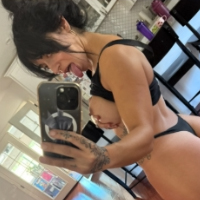
Top Creator • Performance Coach • Confidence Educator
Amber K is one of AdultClub’s most in-demand instructors, known for her confident teaching style, real-world experience, and no-filter approach to education. With years of experience working directly with individuals and audiences across digital platforms, Amber has built a reputation for delivering practical, results-driven guidance that goes far beyond surface-level advice.